Lab Members
Mission Statement
To empower clinicians-researchers to address language disorders across etiologies, neurocognitive frameworks, and societal contexts.
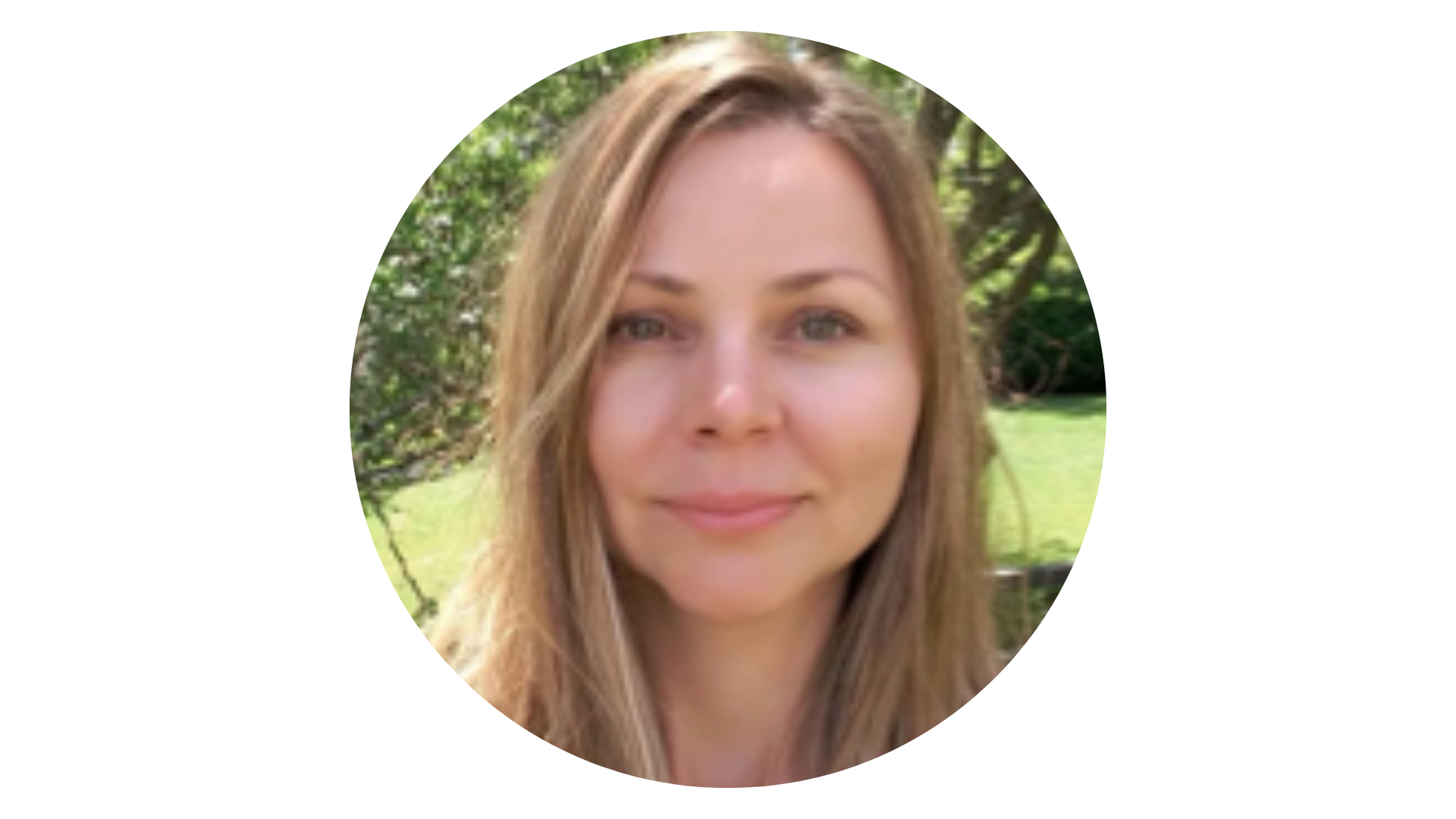
Dr. Sladjana Lukic
Principal Investigator
I received my Ph.D. in Communication Sciences and Disorders (CSD) and Cognitive Science Specialization from Northwestern University under the supervision of Dr. Cynthia K. Thompson and completed postdoctoral training in Cognitive Neuroscience under the supervision of Dr. Maria Luisa Gorno-Tempini at the University of California, San Francisco (UCSF) - Memory and Aging Center. I specialize in both acquired and primary progressive aphasias, and I examine the neurocognitive mechanisms of language impairments, particularly with respect to lexical access and (morpho)syntax.
In the experience over the course of my career, I have come to notice that the broader community of patients with neurodegenerative syndromes and their families lack easy access to available resources from research and clinical hubs. I aim to bridge this gap by disseminating my expertise and knowledge toward a better understanding of these syndromes, particularly in communities that lack the necessary clinical resources and support.
Please check my full CV.
Graduate Students
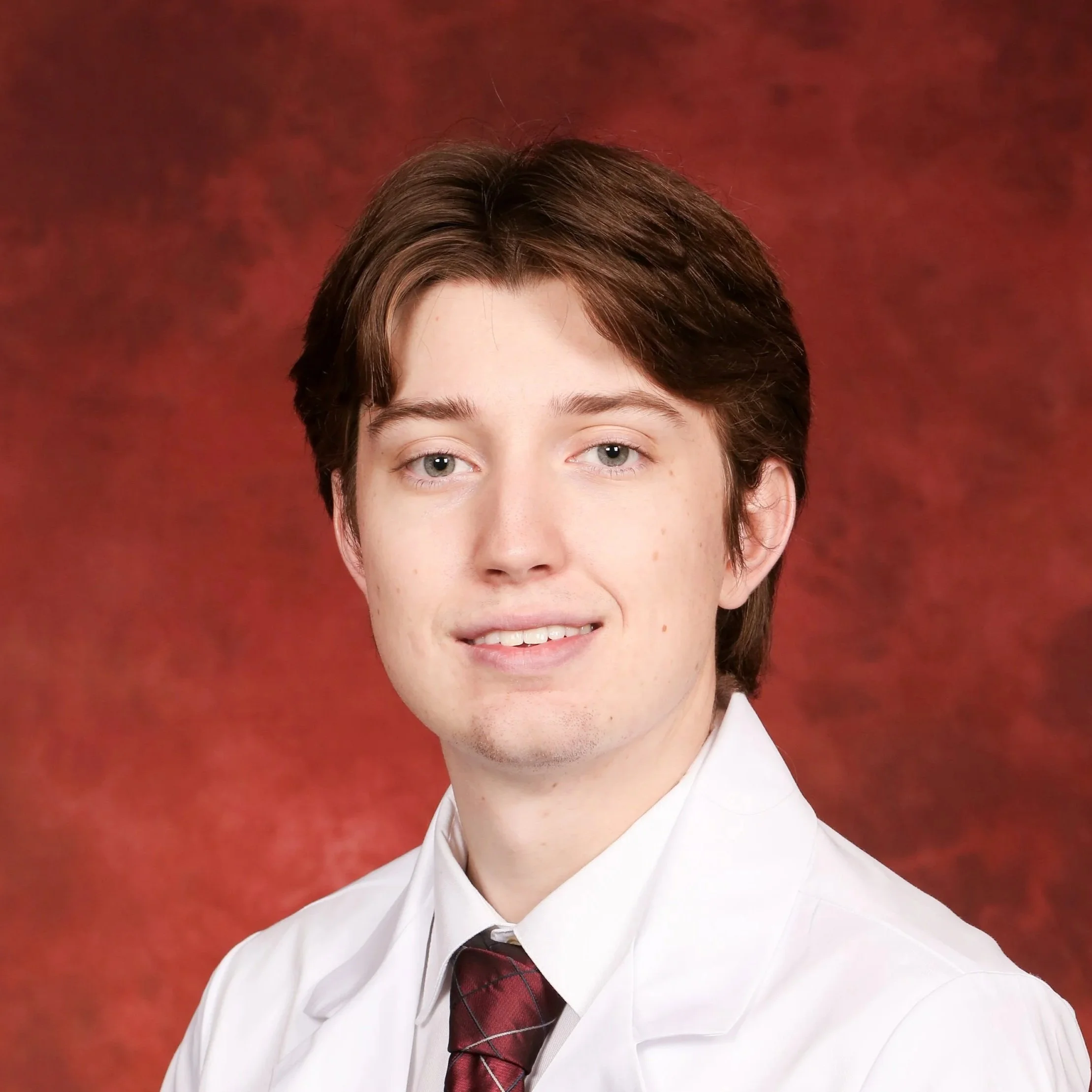
Luke Hudson
Medical Student Researcher
B.S. Biochemistry, FSU
Joined in 2026
Research Interests
I am interested in neurosurgery, neurovascular disease, and translational neuroscience, with a research focus on neurological recovery following stroke and brain injury. My interests include aphasia, cerebrovascular pathology, and the use of artificial intelligence and computational methods to improve neurological assessment and rehabilitation. I am particularly drawn to research strategies that bridge neuroscience discoveries with improved patient outcomes.
Hobbies
Swimming, fishing, spending time outdoors, video games
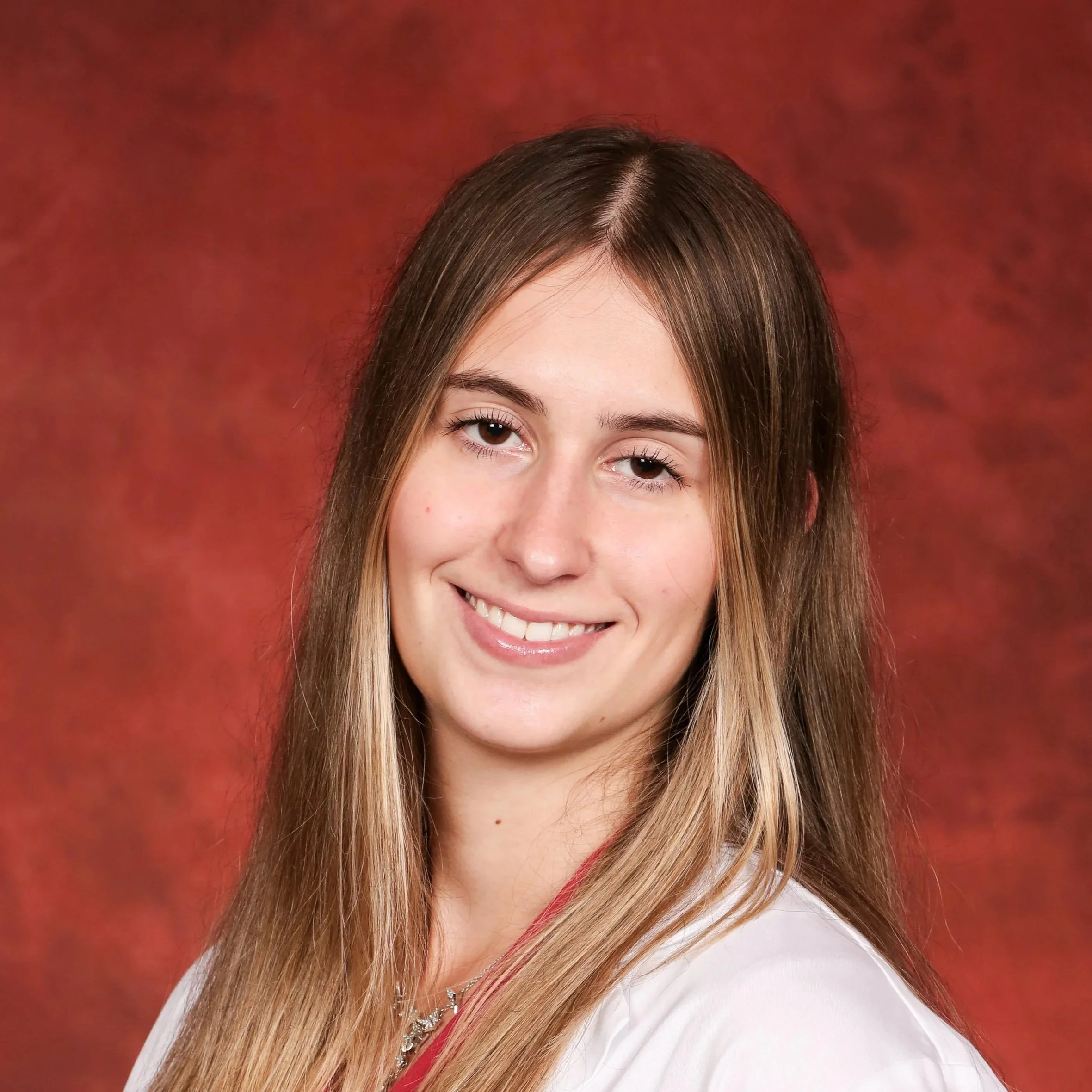
Brenda Hranec
Medical Student Researcher
B.S. Biology, FSU
Joined in 2026
Research Interests
I am particularly interested in pediatric neurosurgery and the remarkable capacity of the developing brain for neuroplasticity. My research aims to understand how neural adaptation and recovery can be leveraged to improve outcomes for children with neurologic disease and injury.
Hobbies
Jiu-Jitsu, Muay Thai, working out
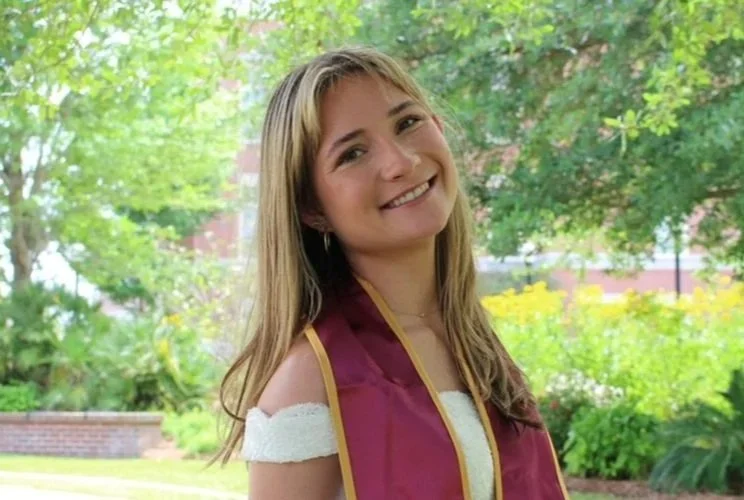
Chloe Davis
Research Coordinator
B.S. Psychology, FSU
Joined in 2026
Research Interests
My research interests span clinical psychology and neuroscience, with an emphasis on the neural and cognitive mechanisms underlying neurological disorders. My research goals center around early detection, prevention, and novel interventions for various cognitive impairments, including progressive aphasias, cerebrovascular accidents, and Alzheimer’s disease and related dementias.
Hobbies
Reading mystery novels, swimming at the beach, wake-surfing, and any arts and crafts
Undergraduates
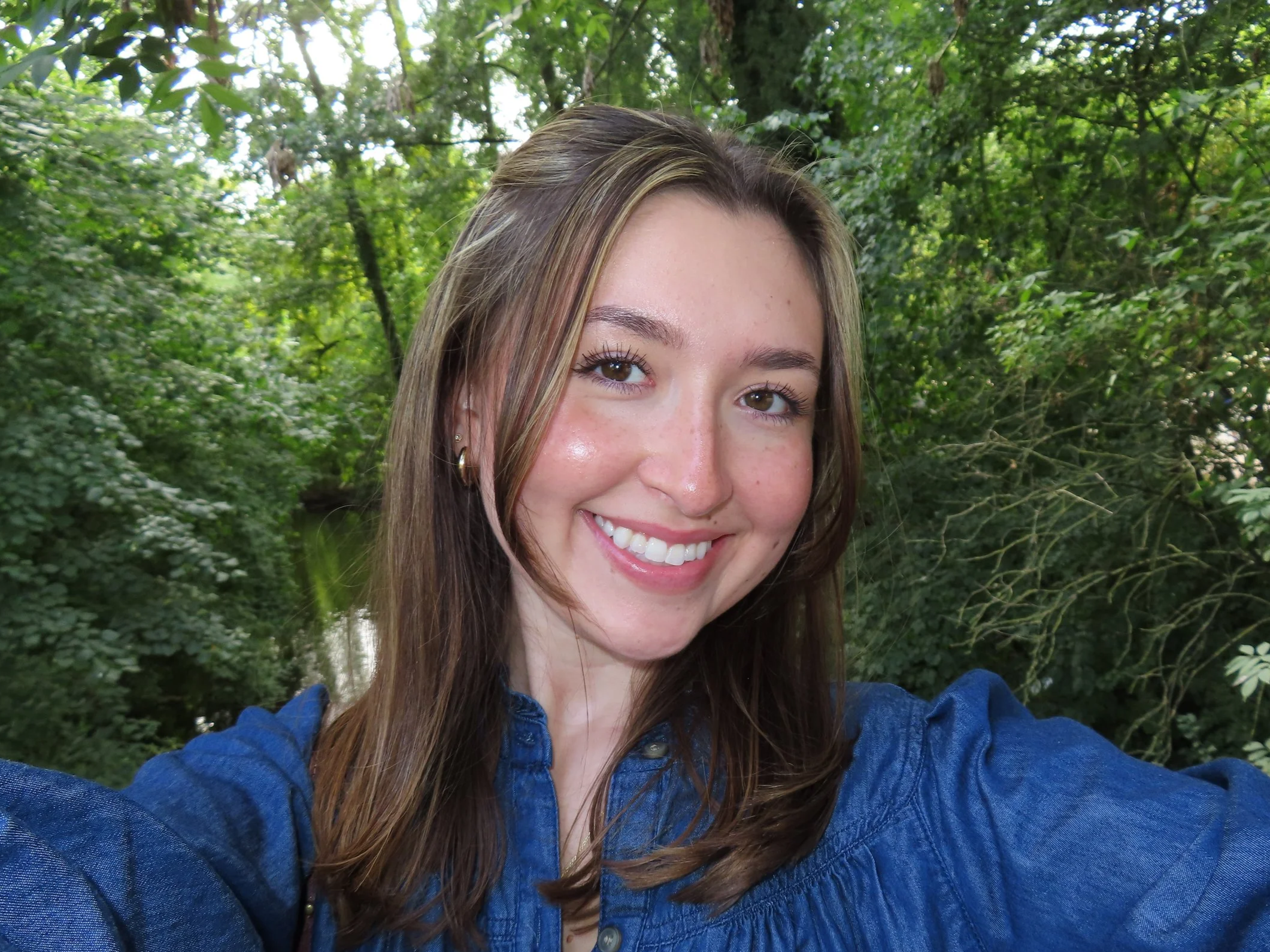
Lauren Talley
Research Assistant
Majors: Communication Science and Disorders | Psychology
Joined in 2025
Research Interests
My research interests are centered around medical speech-language pathology, particularly aphasia, traumatic brain injury, and feeding and swallowing in the NICU. I am interested in learning more about how neurological conditions affect language and communication and how research can help guide the care SLPs provide in medical settings. In the future, I hope to complete a master’s thesis and continue using research as part of my career as a medical speech-language pathologist.
Hobbies
Photography, reading, arts and crafts, and singing
You?
Research Assistant
We are always interested in connecting with motivated students who are passionate about neuroscience, language, cognition, neuroimaging, and clinical research. Whether you are an undergraduate, graduate, or medical student, NoLaB offers opportunities to gain experience in research, collaborate on ongoing projects, and contribute to advancing our understanding of the brain and neurological disorders.
If you are interested in joining the lab or learning more about our research, please contact us. We welcome individuals from diverse academic backgrounds who are eager to learn, collaborate, and contribute to impactful research.

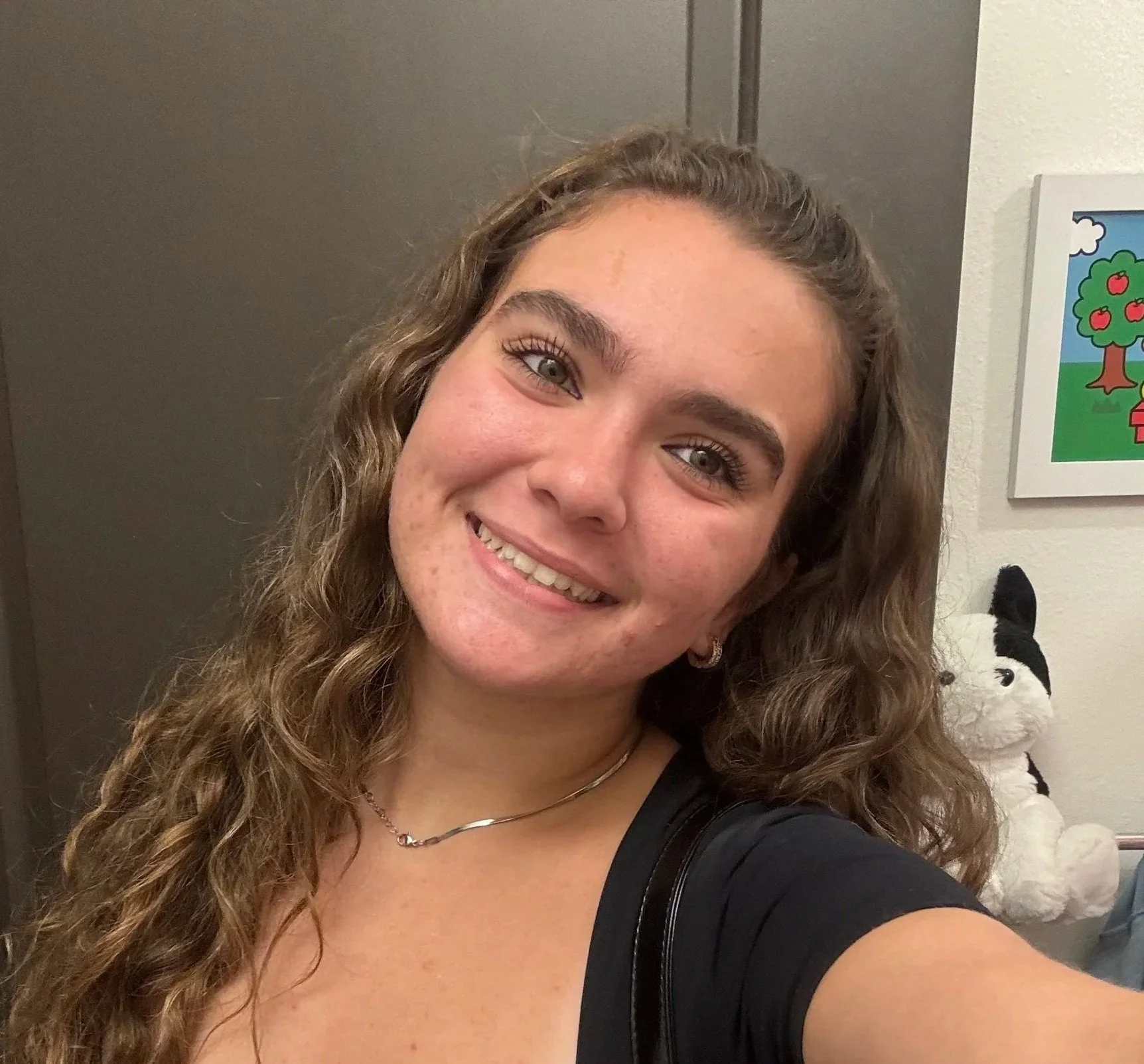
Isabella Iglesias
Research Assistant
Major: Communication Science and Disorders
Joined in 2026
Research Interests
I am currently participating in research involving individuals with aphasia, primarily logopenic variant primary progressive aphasia and how SLT can support language and communication abilities. I am also interested in TBI, specifically sport-related TBIs and the effects of neurological conditions on communication. In addition to these two interests, I enjoy working with children in school settings and learning more about how SLPs can support diverse individual needs. In the future, I hope to gain more research experience by collaborating with others and explore different settings and populations within the field of speech-language pathology.
Hobbies
Ultimate frisbee, traveling, playing video games, and spending time outdoors
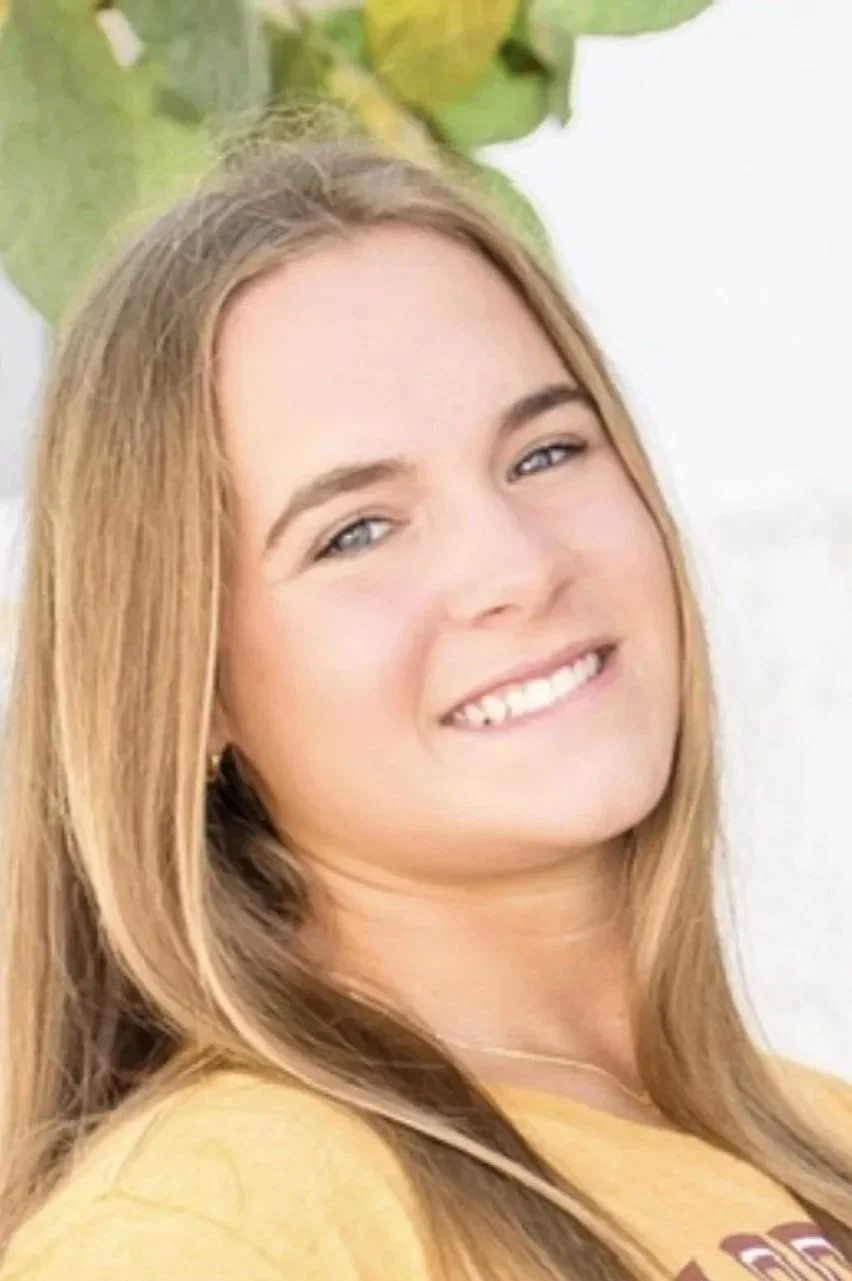
Grace Bosco
Research Assistant
Majors: Psychology and Human Development | Family Sciences
Joined in 2026
Research Interests
IMy research interests focus on the relationship between the brain, communication, and overall health, particularly how neurological conditions such as stroke and aphasia can affect individuals and their quality of life. Through my research experience, I am interested in learning more about the brain and how neurological changes can influence language and communication. I am also interested in pediatric healthcare and the factors that influence children’s health and development, especially in underserved communities. In the future, I hope to attend medical school and pursue a career in pediatrics, while continuing to explore my interests in neuroscience and research.
Hobbies
Reading, traveling, working out
Former Lab Members
Hadley Borg
Graduate Research Assistant | FSU School of Communication Science & Disorders | 2024–2026
Research:
A Clinical Review of Assessment Tools and Spontaneous Speech Practices in Aphasia — Master’s Thesis, retrospective and qualitative study.
Co-author on a manuscript under review.
Hemish Naidoo
Undergraduate Research Assistant | Adelphi University, Honors College | Neuroscience | 2024–2025
Research & Awards:
2024 Summer Research Fellowship recipient ($4,000).
Presented research on a systematic review of connected speech across behavioral variant frontotemporal dementia (bvFTD) and semantic speech disorders (SSD) at the Innovation Center, Office of Undergraduate Research and Creative Workshops Event, 2025.
Co-author on a manuscript under review.
Nicholas Strada
Undergraduate Research Assistant | Adelphi University | Neuroscience | 2023–2024
Research & Awards:
2023 Summer Research and Creative Fellowship recipient ($3,000).
Presented a research poster at Adelphi University’s Scholarship and Creative Works Conference, 2023.
Zekai Fan
Graduate Research Assistant | University of California, Berkeley | Bioengineering | 2019–2023
Research:
Co-author on published research examining automatically extracted morphosyntactic markers from connected speech in primary progressive aphasia using NLP.
Lukic, S., Fan, Z., García, A. M., Welch, A. E., Ratnasiri, B. M., Wilson, S. M., et al. (2024). Discriminating nonfluent/agrammatic and logopenic PPA variants with automatically extracted morphosyntactic measures from connected speech. Cortex, 173, 34–48. https://doi.org/10.1016/j.cortex.2023.12.013