Research
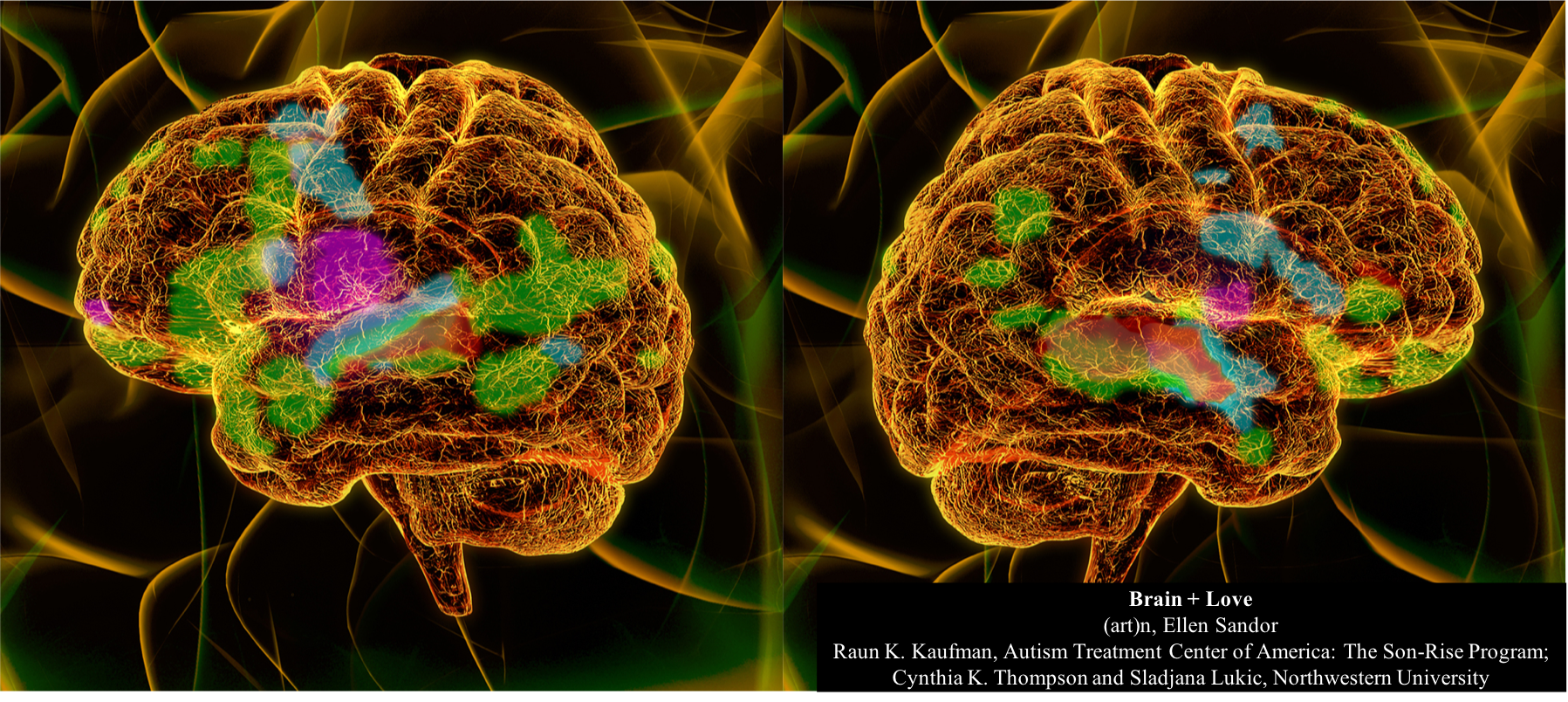
Language is shaped by the brain, expressed through behavior, and continuously influenced by the cognitive and emotional systems that support it. Our research investigates these interactions across brain, behavior, and language. Using a brain–behavior–language framework, we aim to better understand communication in health and disease and translate these insights into neurobiologically based, clinically meaningful assessments and treatments.
Brain
Neurolinguistic mechanisms underlying language impairments.

Behavior & Cognition
The functional interplay between domains (language and emotions /verbal memory)

Language
Develop a theory-aligned, clinically informative, naturalistic assessment.
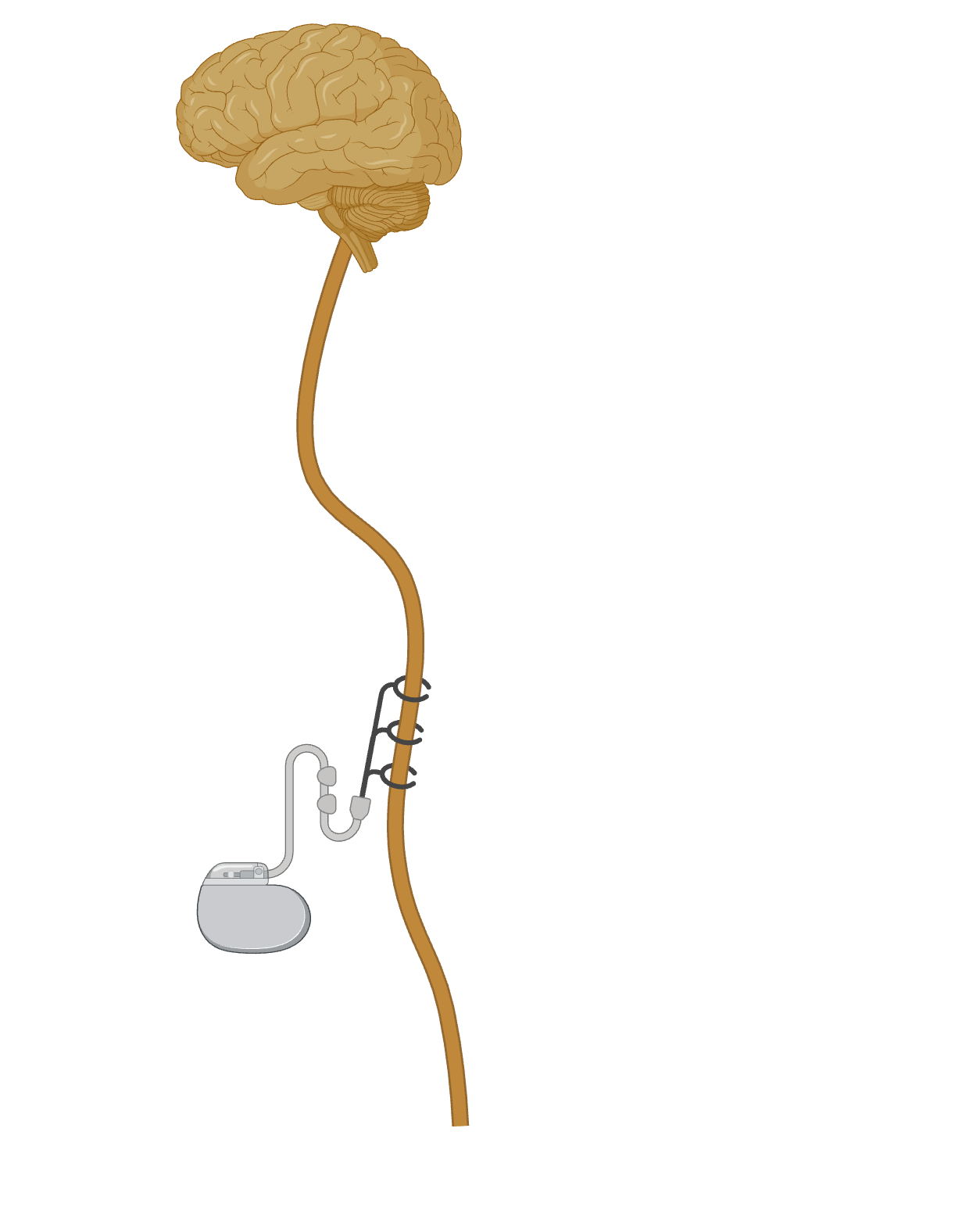
Dr. Sladjana Lukic has been awarded a $50,000 Clinical Catalyst Grant from Florida State University to investigate the feasibility and preliminary efficacy of vagus nerve stimulation (VNS) as an adjunctive therapy for chronic post-stroke aphasia.
The project, “Feasibility, Acceptability, and Preliminary Efficacy of Vagus Nerve Stimulation for Stroke Aphasia,” is led by Dr. Lukic in collaboration with Dr. Narlin Beaty, neurosurgeon at Tallahassee Neurological Clinic. The interdisciplinary team brings together expertise in neurobiology of language, speech-language rehabilitation, neuromodulation, and neurosurgery to investigate novel approaches to neural recovery following stroke.
Aphasia affects a substantial proportion of stroke survivors and can persist chronically despite conventional rehabilitation. Recovery depends in part on the capacity of distributed neural networks to reorganize following injury. VNS represents a potential neuromodulatory strategy for enhancing activity-dependent neuroplasticity when paired with targeted behavioral rehabilitation.
This study will evaluate the feasibility and acceptability of combining VNS with evidence-based speech-language treatment while generating preliminary data regarding its potential effects on language outcomes. The project is designed to inform future clinical studies and contribute to the development of more effective neuromodulatory interventions for post-stroke aphasia.
A key component of the research is the integration of neuromodulation with intensive speech-language therapy. This approach is intended to provide a scalable framework for pairing targeted neural stimulation with repeated language-based training, while facilitating rehabilitation beyond the traditional clinical environment.
CLINICAL CATALYST
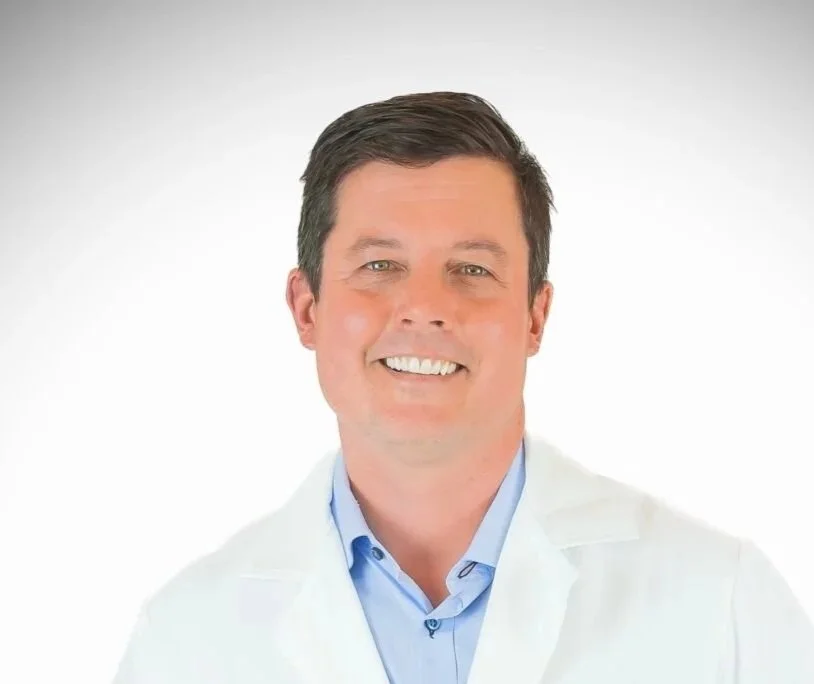
Co-Principal Investigator Dr. Narlin Beaty, MD
SCALE: Theory-based AI speech system
Connected speech is natural, continuous verbal output during spontaneous or semi-spontaneous communication. While connected speech offers a valid window into expressive language in aphasia, it is not routinely integrated into clinical decision-making due to practical barriers.
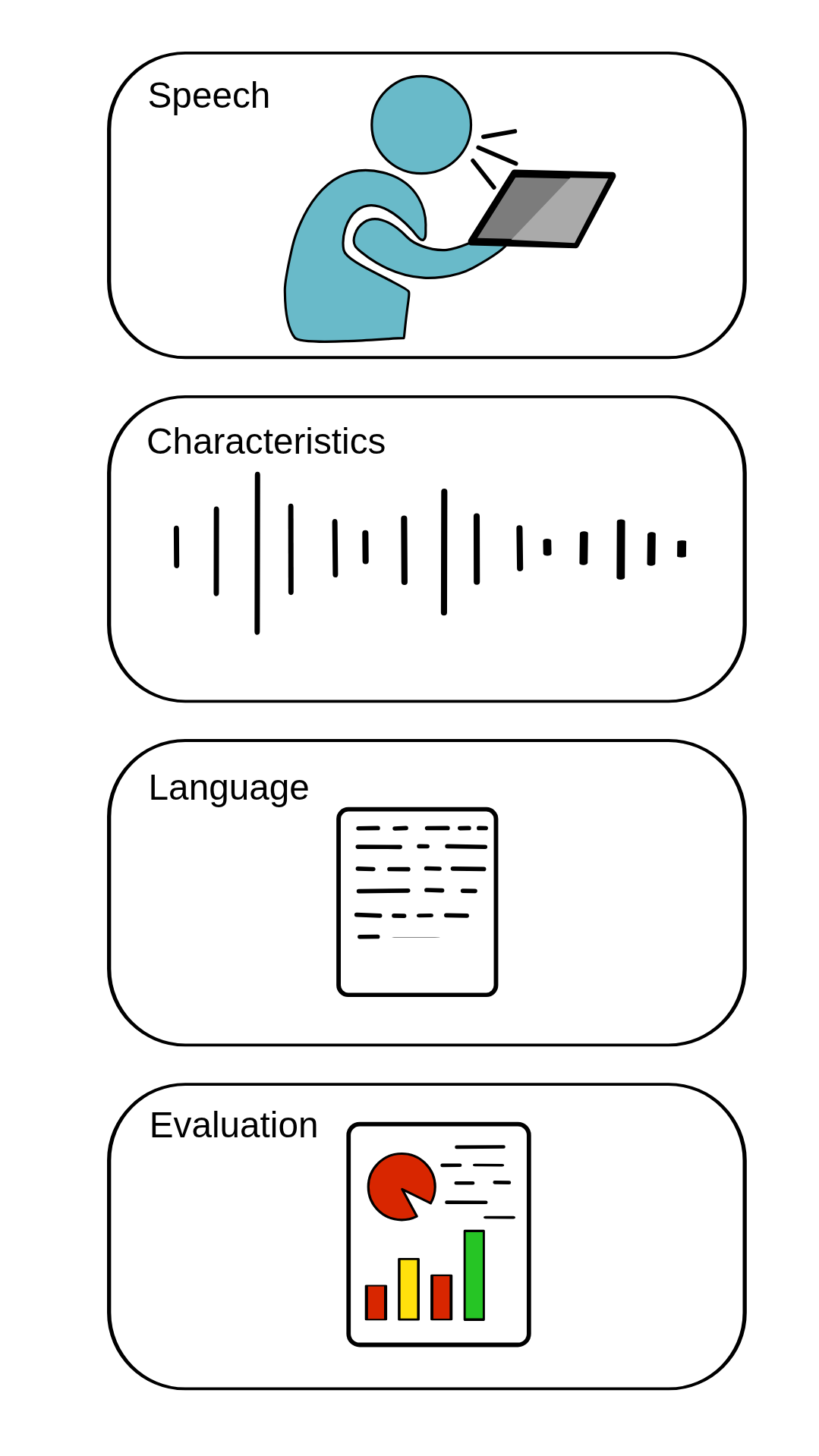
This project will build on the Auditory-Perceptual Rating of Connected Speech in Aphasia (APROCSA), a clinician-led rating system, to create theory-based, objective, quantitative speech metrics. The team will develop Speech Characteristics and Language Evaluation (SCALE), a digital health platform that uses automatic speech recognition, natural language processing, language learning models, and machine learning to analyze everyday speech and validate it output against clinical benchmarks.
A key goal of the research is user-centered design. People with aphasia, speech-language pathologists, and neurologists will help shape the platform from the start, ensuring it is accurate, accessible, and objective for real-world clinical use. By allowing patients to record daily speech samples from home, SCALE is intended to provide a scalable way to monitor language recovery between visits and beyond the traditional clinical setting.
IMPAIRMENT-BASED SPEECH-LANGUAGE THERAPY IN lvPPA
This single-case study evaluated Verb Network Strengthening Treatment (VNeST) as an impairment-based intervention for word retrieval in a 58-year-old man with logopenic variant primary progressive aphasia (lvPPA). The study examined both behavioral treatment outcomes and changes in functional language network organization following a 13-week course of therapy.
Using an A-B-A single-case design, the participant completed baseline assessment, 13 weeks of VNeST, and post-treatment assessment, with a follow-up at 3 months. Treatment was delivered twice weekly in two-hour sessions for 26 sessions (52 total hours). VNeST specifically targeted three-argument verbs, while weekly probes assessed naming across one-, two-, and three-argument verbs to evaluate potential generalization beyond trained items.
Following 13 weeks of VNeST, the participant demonstrated substantial improvement in naming trained verbs, with additional gains in picture naming, repetition, and verb naming. Improvements were also observed in aspects of connected speech and perceived communication ability, while receptive language abilities remained largely stable.
These findings provide preliminary evidence that targeting verb-event networks may support improvements extending beyond directly trained lexical items. The findings contribute to a growing body of work investigating how targeted behavioral interventions can leverage existing language networks to support communication in progressive aphasia.
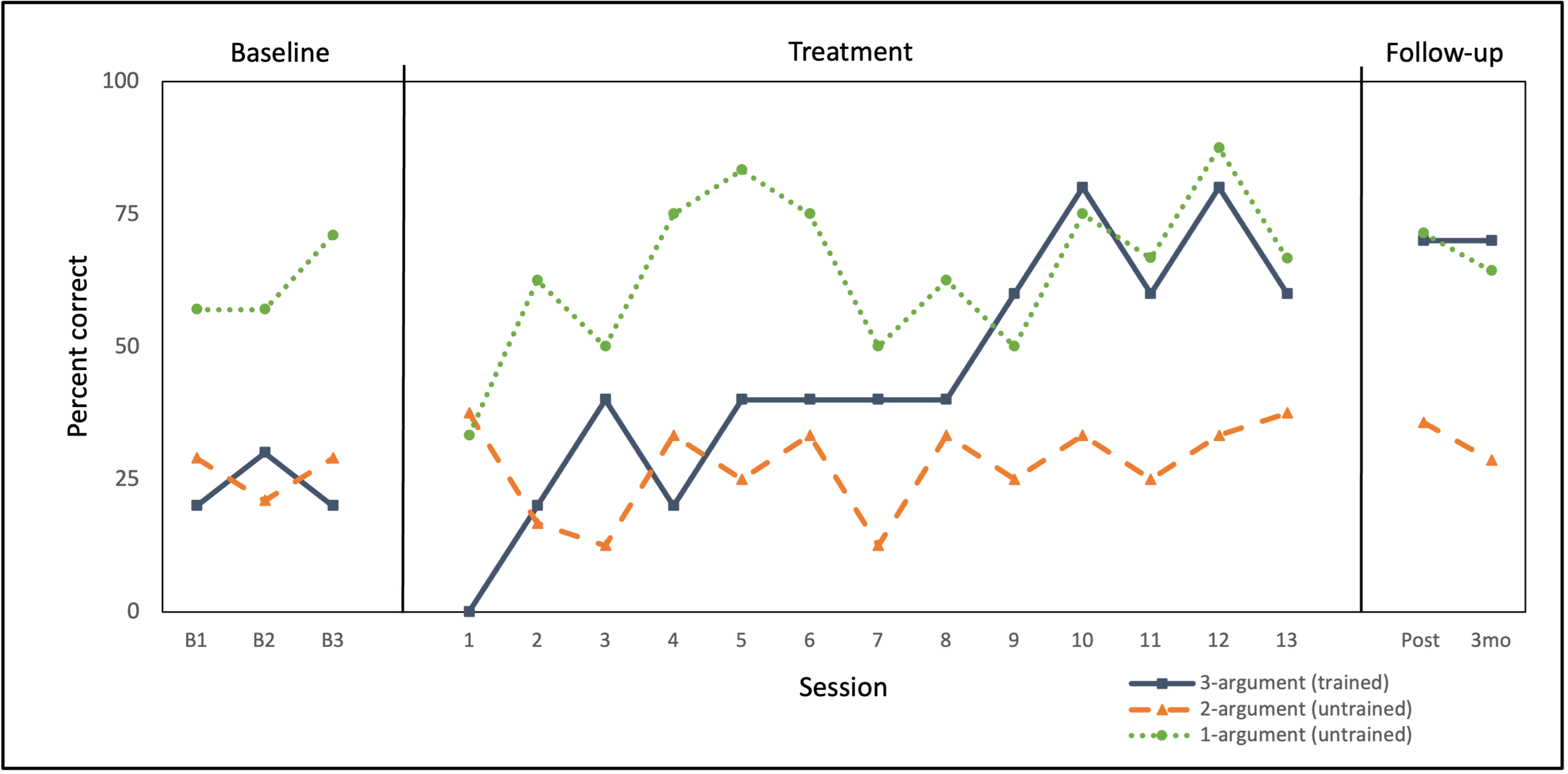
Percentage of correctly named verbs across baseline, treatment, post-treatment, and follow-up phases for three-argument (trained), two-argument (untrained), and one-argument (untrained) verbs. Three-argument verb naming demonstrated a progressive improvement following initiation of VNeST, while performance on untrained two- and one-argument verbs remained comparatively stable across treatment. The pattern indicates a robust treatment-specific effect for trained three-argument verbs with limited generalization to untrained verb types.
AUGMENTING DIGITAL SPEECH-LANGUAGE THERAPY WITH MOTIVATIONAL INTERVIEWING
Speech-language therapy targets the language impairment. It rarely addresses what sits alongside it: low mood, anxiety, and the drop in motivation that determines whether therapy is actually practiced and carried into daily life.
This study asks whether treating both together works better. Participants complete eight weeks of app-based language therapy, then may continue for eight more weeks with weekly Motivational Interviewing-informed support. We track language performance, mood, and quality of life, and, for those who opt in, brain structure and function measured before therapy begins.
We expect the added sessions to improve engagement first, then produce language gains that carry beyond trained words into real conversation. The combined functional and structural imaging asks a separate question: whether baseline brain profiles can predict who responds to therapy, something structure alone has never fully explained.
This work will lay the groundwork for a model that treats the linguistic and emotional consequences of brain injury as one problem rather than two.